Courgette Cake
Simple courgette cake to help with the seasonal courgette glut. Using Get Loose ingredients and a courgette!
Read More
Organic, plastic free food @ Hackney City Farm
Simple courgette cake to help with the seasonal courgette glut. Using Get Loose ingredients and a courgette!
Read MoreAn overview of some of the seed oil internet controversy. Why we stock the oils we do and how to use them best in your kitchen.
Read MoreSimple Caesar Salad recipe, using mostly Get Loose ingredients. Perfect for summer.
Read MoreSimple ramen recipe. A great way to use up items in your veg bag, or use the Get Loose frozen section if you have run out!
Read MoreAn overview of Pearly Queen who produce London borough specific honey.
Read MoreQuick and easy Protein Energy Balls made from Get Loose ingredients. Perfect to power your afternoon or hike.
Read MoreSimple and nutritious lunch option. Can be batch cooked to save time and money. High in fibre and protien.
Read MoreSimple pasta recipe using our new sunflower mince chunks.
Read MoreSimple brown rice noodle stir fry with tofu. Using seasonal vegetables as these are often cheaper.
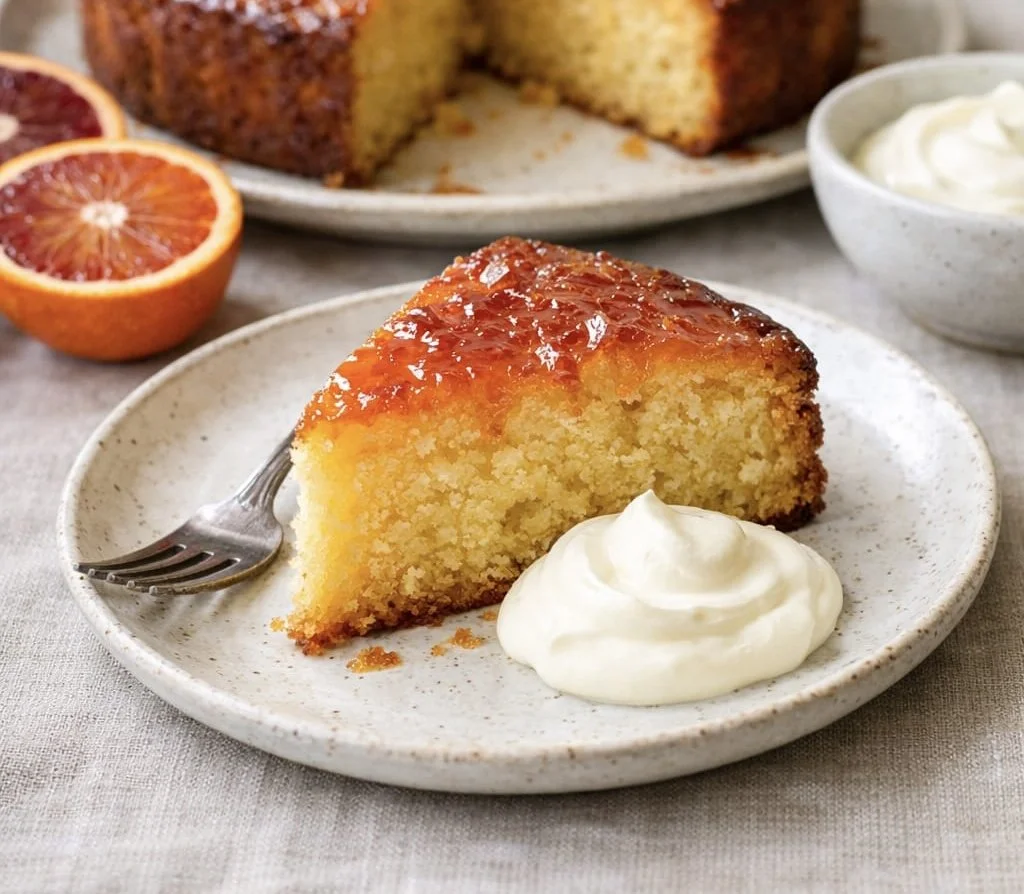
Read MoreInspired by Blood Orange Season we decided to create a cake made with these seasonal delicacies and Get Loose ingredients.
Makes 8 generous slices
2 large blood oranges
200g sugar*
3 large eggs*
120ml olive oil *
200g plain flour*
50g ground almonds*
2tsp baking powder*
¼tsp fine salt*
Juice of 1 blood orange
2tbsp caster sugar*
Vanilla ice cream or yoghurt*
Heat oven to 170°C (fan 160°C)
Grease and line a 23 cm round cake tin
Finely zest both oranges
Juice one orange (you’ll need ~80 ml for the cake)
In a large bowl, whisk sugar and eggs until pale and slightly thick
Slowly whisk in olive oil until glossy
Stir in orange zest and 80 ml blood orange juice
In a separate bowl, mix flour, ground almonds, baking powder, and salt
Fold gently into the wet mixture until just combined
Pour into tin, smooth the top
Bake 45–50 minutes until golden and a skewer comes out clean
Cool in the tin for 10 minutes, then turn out onto a rack
Warm blood orange juice and sugar in a small pan until dissolved
While cake is warm, poke holes with a skewer and spoon syrup over slowly
Serve warm with vanilla ice cream or yoghurt.
Simple cottage pie recipe, made using mostly Get Loose ingredients. Sunflower mince is a versatile and nutritious ingredient, made from sunflower seeds.
Read MoreA great batch cooking recipe using British grown Carlin Peas from Hodmedod’s.
Read MoreSimple wintery soup using dried pinto beans
Read MoreEasy stir fry with our new red rice. High in protein and fibre among other things.
Read MoreAn overview of our wholesale provider Suma Wholefoods Co-op.
Read MoreSimple and quick autumnal soup using mostly Get Loose ingredients.
Read MoreGet Loose foods that have evidence for brain health. Links to other articles and easy recipes.
Read MoreSunflower mince lasagne, great for batch cooking or having friends over. Add in whatever seasonal vegetables you have to hand.
Read MoreProducer Spotlight on Infinity Foods, our largest wholesale provider. Why we love working with them and share a lot of their values.
Read MoreAn overview of what wholegrains are, why we should eat more of them and which ones are stocked at Get Loose. Plus some recipe suggestions.
Read More